.jpg)
When Global Sustainable Development Goals go Local: Sustainability in Everyday Practices in Pakistan
At a recent Wrexham Business School Research Seminar, Dr Saba Ishaq, Lecturer in Accountancy and Finance, presented work on how the United Nations Sustainable Development Goals (SDGs) are interpreted and enacted within everyday business practices in Pakistan. The seminar explored how a global framework of 17 interconnected goals, set out in the UN 2030 Agenda, translates into action within small and medium-sized enterprises (SMEs).
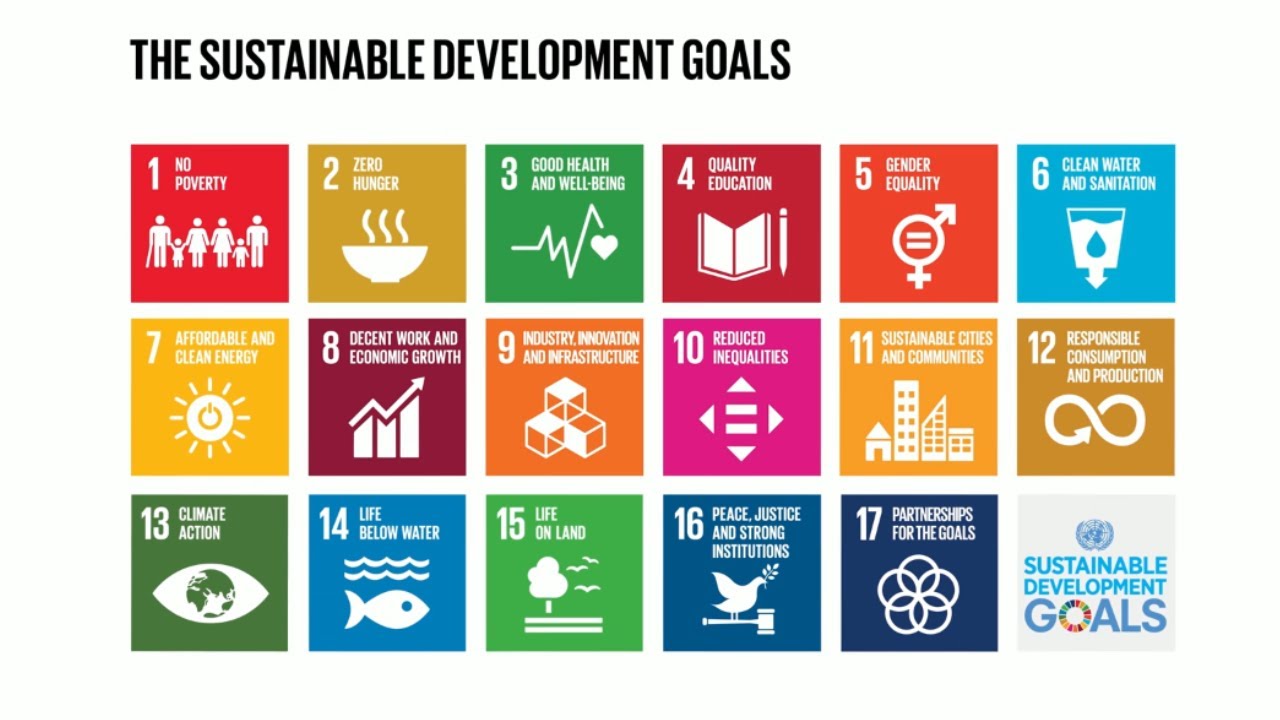
The SDGs represent an ambitious and shared global responsibility, addressing issues from poverty and education to climate action and economic growth. However, while large organisations often engage with the SDGs through formal sustainability strategies and reporting structures, SMEs operate under very different conditions. With tighter operational pressures and fewer resources, smaller firms are not typically subject to formal reporting requirements and often face immediate commercial constraints.
In developing economies such as Pakistan, these challenges are further shaped by local realities. The Pakistani economy is heavily SME-driven, with a youthful population in need of employment and increasing exposure to climate-related risks. Sustainability is therefore not an abstract concept but a present and pressing business concern. At the same time, tensions exist between the inclusive, universal ideals of the SDGs and the practical realities faced by business owners working within resource limitations.
Dr Ishaq’s research focuses on understanding how these global goals become meaningful and actionable within everyday SME practice. Rather than assuming that businesses adopt the SDGs in a formal or structured way, her work asks: how do Pakistani owners interpret, translate, and enact the SDGs in their daily operations? What does sustainability mean in practice? What logic sits behind business decisions, and where, if at all, does the language of the SDGs appear?
The project draws on sensemaking theory, particularly the work of Karl Weick (1995), which explores how people construct meaning in complex environments. Sensemaking emphasises plausibility over accuracy: individuals and organisations develop interpretations that are coherent enough to guide action, even if they are not technically precise. Meaning is often constructed retrospectively, as people reflect on past actions and experiences. In complex environments, individuals “bracket” information, selectively focusing on cues that feel most salient. Existing interpretive frames allow new ideas, such as the SDGs, to be translated into locally meaningful concepts.
Through interviews with SME owners in Pakistan, Dr Ishaq is exploring how sustainability is understood within everyday practice. Using iterative thematic analysis, she examines how global goals are reframed through lived experience and embedded in routine business decisions, rather than formal policy documents.
By reconceptualising SME engagement with the SDGs as a process of sensemaking, this research extends existing sustainability literature within developing economies. It shifts the focus from compliance and reporting towards understanding how global ambitions are negotiated, adapted, and made workable within local business realities.
The seminar offered valuable insight into how global sustainability frameworks take shape on the ground, reminding us that meaningful change often begins not with policy documents, but with everyday decisions.