Putting research into action – using theatre to explore accessibility
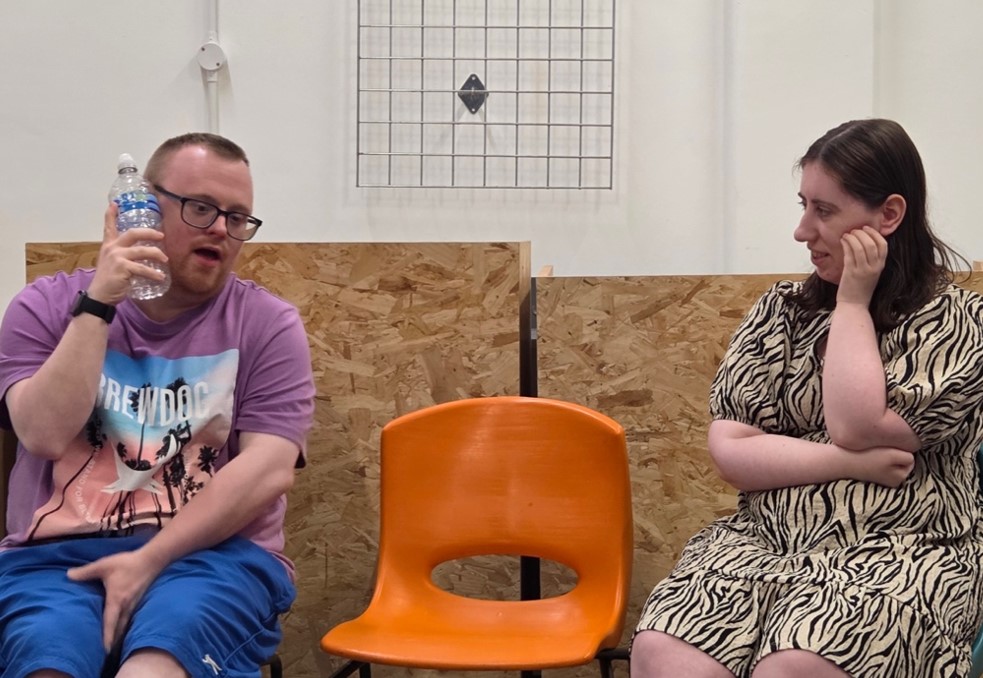
A lot of time within research projects is spent on discussion, reading, analysis, and planning. This is incredibly important and needed to ensure research is well designed and properly undertaken. However, as a researcher, there is something special about seeing that work turn into action.
Emerge Community Arts
This was very much the feeling on June 29th at Tŷ Pawb when Emerge Community Arts facilitated a forum theatre workshop with disabled adults after a year-long planning process.
In 2025 we had conducted several forums in collaboration with Emerge Community Arts on accessibility and the arts - the positive experiences, the challenges, and the aspirations when engaging with arts opportunities in the local area for those with disabilities. These discussions led to the forum theatre workshop (funded by a Wrexham University Cyfiawnder grant for Collaboration and Co-production within research projects) that turned these conversations into a practical, creative experience.
For the uninitiated in applied theatre, forum theatre is a drama practice created by Augusto Boal in the 1970s where participants are invited to act and/or watch theatre scenes while offering their opinion on how the scene should be changed.
The scenes are often depicting a social injustice experienced by the community of the participants, giving them the opportunity to share their experiences, feelings and opinions through the medium of theatre performance. The goal is for empowerment, solidarity, and greater understanding.
Forum Theatre
In using forum theatre techniques, myself and Anna Davies from Emerge Community Arts aimed to explore the talking points that were most prominent during the 2025 forums. The most prominent discussion topic was accessibility issues when engaging with the arts - the logistical, the cultural, the emotional and the economic barriers to enjoying and influencing our local creative culture. By using forum theatre, we could allow participants to better express their views, share their lived experience, and feel empowered to influence the narrative.
Working with our Wrexham Room project to access a community space, we were based within Tŷ Pawb where live music was playing, and delicious food options were available.
The group was joined by Lisa Jones and Mark Price from North East Wales Mind to give their expert advice and evaluation of the day. During our forums, the impact of accessibility and inclusion on mental health was a more influential aspect within the topic than we had initially anticipated.
Making community connections with people such as Lisa and Mark, and bringing their experience and skills is key to ensure research happens in a responsible and trauma-informed manner.
In one of our ARISE research group meetings, Dr Tegan Brierley-Sollis presented her ground-breaking, vital work within trauma informed research to the group. This meeting was also attended by Anna, Lisa and Mark, and greatly influenced how we approached this workshop. When discussing potentially traumatic, upsetting, and frustrating experiences with participants, the safety and wellbeing of everyone in the room is hugely important. Through working in this way, we can make a mutually beneficial impact with our research activities.
Workshop
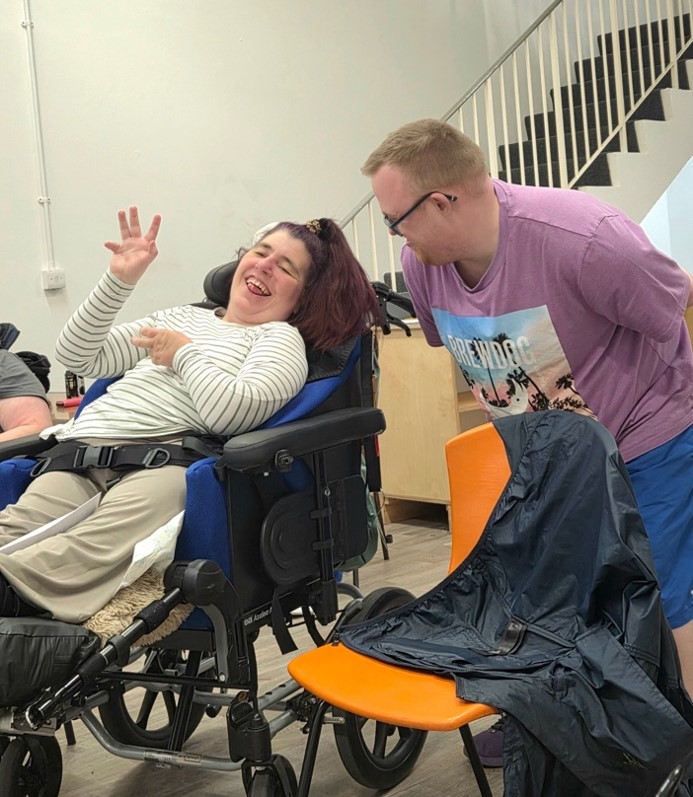
The workshop looked at numerous scenarios that were linked to the lack of opportunities for disabled people, the anxieties in trying to seek independence in their lives, and the lack of understanding from companies and individual members of the public regarding disabilities. Anna prepared scenarios based on real events she had encountered in her work.
The scenario the group worked on the most was one where a woman who uses a wheelchair felt unable to attend a music concert. While accessibility issues may impact individuals practically (e.g lack of ramps, lifts and accessible toilets), this scenario highlighted an aspect of this topic that is often overlooked - the impact of anxiety and low self-esteem on disabled people before they've even left their homes.
In our forums, it was asserted that inaccessibility starts within the mindset of disabled people and the messages society sends them regarding inclusivity. In the scene (acted out by our participants) the woman has tickets to a concert but, when asked by her carer if she's excited to go, she says she feels uncomfortable with attending- "I don't want to go. I feel weird. I don't have anything to wear."
In the first version of the scene, the woman ends up staying at home watching television instead of going to the event. The carer aims to soothe her anxiety by avoiding the cause. The group said this was well intentioned but can exasperate this issue in future.
Preparation
When the group altered the story, the key word was "preparation". In our 2025 forums, accessibility was framed as an "afterthought" for individuals and companies, often working in a reactive way rather than a preventative one. The need for preparation and preplanning when engaging with arts and culture is a key way to avoid the mental health challenges that may hinder what should be an enjoyable and beneficial experience.
In the new version of the scenario, the carer took the woman shopping before the event, so she felt good about herself and able to attend the event. The group also highlighted how the limitations in carers working hours can impact experiencing arts events, adding a scene where the carer is given further hours to attend the event - an ideal situation that is rarely the case.
After 6 hours of creativity and in-depth discussion, the group was joined by their family members and university staff to share their work over the course of the day. The feedback from this audience, the participants, and from Lisa and Mark was incredibly positive with some helpful constructive ideas for future events. One feedback form read, "please do more events like this. All people should have access to this".