.jpg)
Springboard Staff Conference 2026 Impact and Innovation
Curiosity, Civic Purpose and Digital Futures
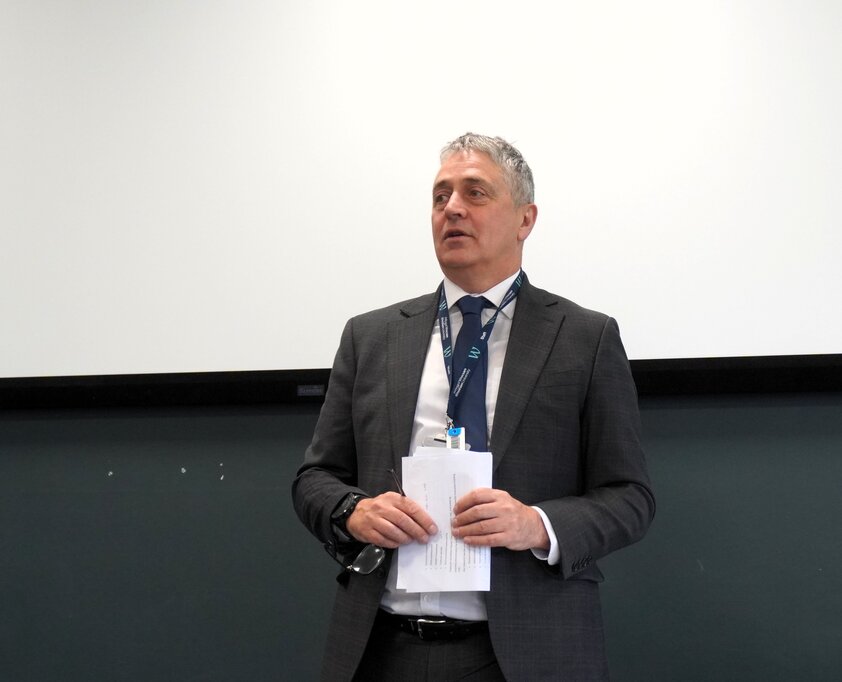
We kicked off the Springboard Conference with a welcome from Prof. Joe Yates, who set the tone beautifully by focusing on curiosity, collaboration, and the importance of pausing to reflect on where we are and where we’re heading next.
Joe spoke about the University’s vision and values, and the importance of being purposeful in how research is positioned within the institution. Research, he reminded us, sits at the heart of what we do, and needs to be actively and intentionally woven through everything rather than sitting at the margins.
A key theme running through the opening was what it means to be a modern civic university: one that combines academic excellence with real-world impact. Research and teaching were framed as mutually sustaining, with applied research helping to ground the University in the cultural and social life of Wrexham and the wider region. There was a strong sense that this is about creating meaningful opportunities and doing “the stuff that gets us out of bed in the morning”, not abstract ambition, but work that feels purposeful and connected.
RDAPs was described as “a profound step forward” and the beginning of an exciting new chapter. Overall, the message was clear: research should not be something that happens in the background or in isolated pockets, but something embedded across everything we do as an institution.
Content Accordions
-
Civic Innovation and Public Good
Civic Mission and Wrexham Room Intergenerational Social and Cultural Mapping
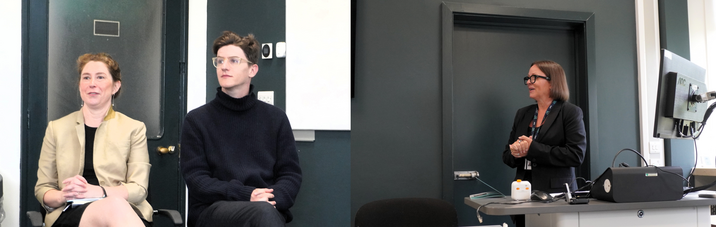
The first session of the day focused on civic innovation and the public good, led by Paula Wood and joined by Nina Ruddle and Steffan Gwyn, all from the Civic Mission/Public Map team. This session explored how research can be used differently when lived experience is placed at the centre.
The project shared was framed around a central question: how does place influence access to social and cultural capital across generations? The aim is to help bridge the gap between policy and lived experience, working with Year 8 pupils, older adults, and community and school organisations.
Methodologically, the project is built around TrACE and uses creative, participatory, mixed-methods and intergenerational approaches. Importantly, it is research with communities, not just on them. The work unfolds across four stages: place-based data collection, layered mapping, meaning-making, and knowledge exchange.
The theoretical grounding draws on social and cultural capital, identity, and trauma, with a focus on mapping belonging, opportunity, and identity in place. There was a strong emphasis on the idea that children’s voices can be rigorous forms of evidence, building on work such as Lle Llais. A powerful takeaway from this session was the reminder that “place is not a backdrop, it is the very condition of belonging.”
Digital Policy, Democracy and Higher Education
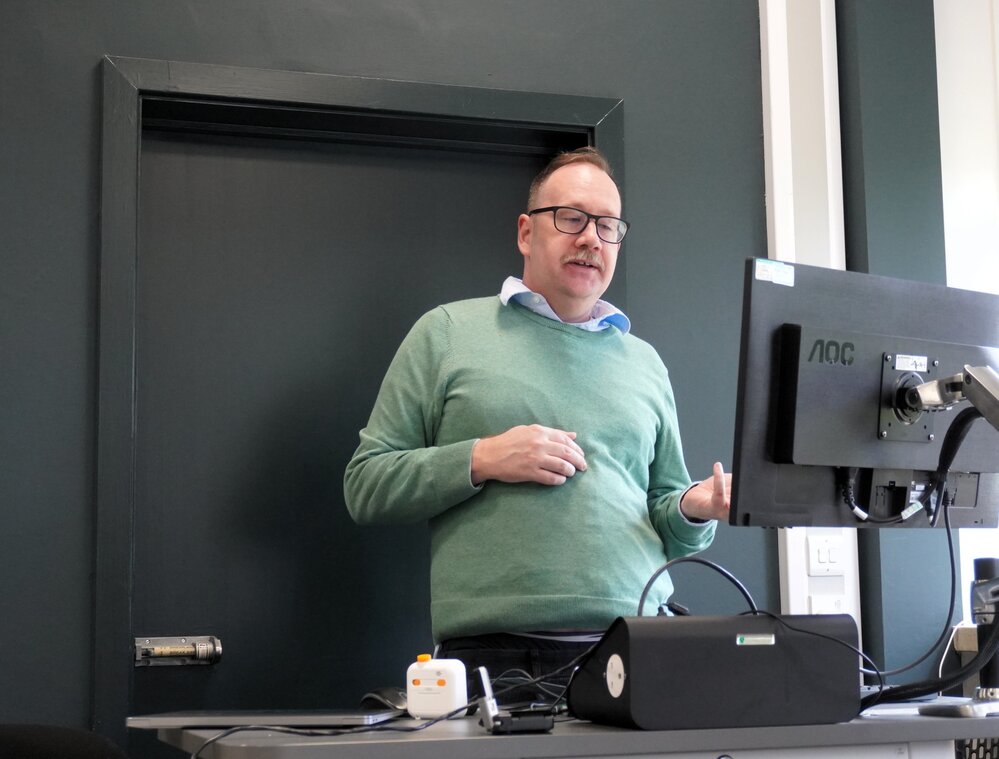
Next, we heard from Dr Garrett Grainger, Research Fellow in Social Inclusion, who offered a thought-provoking session on democratic deficits in UK higher education policy and digital strategy.
Garrett explored wider societal context, including the rise of far-right and extremist activity online, and the growing pressures this places on higher education institutions. Universities are often positioned as spaces that should respond to and help counter online radicalisation, yet digital strategy and leadership remain inconsistent across the sector.
Garrett discussed how higher education institutions often reflect broader discourses such as academic capitalism, marketisation, and managerialism. His analysis drew on content analysis of university digital strategies, using categories including civicism, entrepreneurialism, managerialism, and relationalism.
Findings suggested that civicism (the idea of contributing to the public good) is the least represented across institutional strategies. By contrast, relationalism (focused on community building within institutions) appears more frequently, alongside managerialism (efficiency, automation, value-for-money approaches) and entrepreneurialism (competition for funding and positioning in a “digital arms race”).
Interestingly, while universities often refer to producing “good citizens”, there is much less explicit engagement with digital citizenship or strategies for addressing online radicalisation.
Garrett’s recommendations called for universities to:
- review and strengthen digital strategies
- explicitly define online radicalisation as a social issue
- embed digital citizenship more meaningfully within the curriculum
His session raised important questions about the civic role of universities in a rapidly changing digital landscape.
Ecological Citizens Network and Mapping Mycelial Ecologies
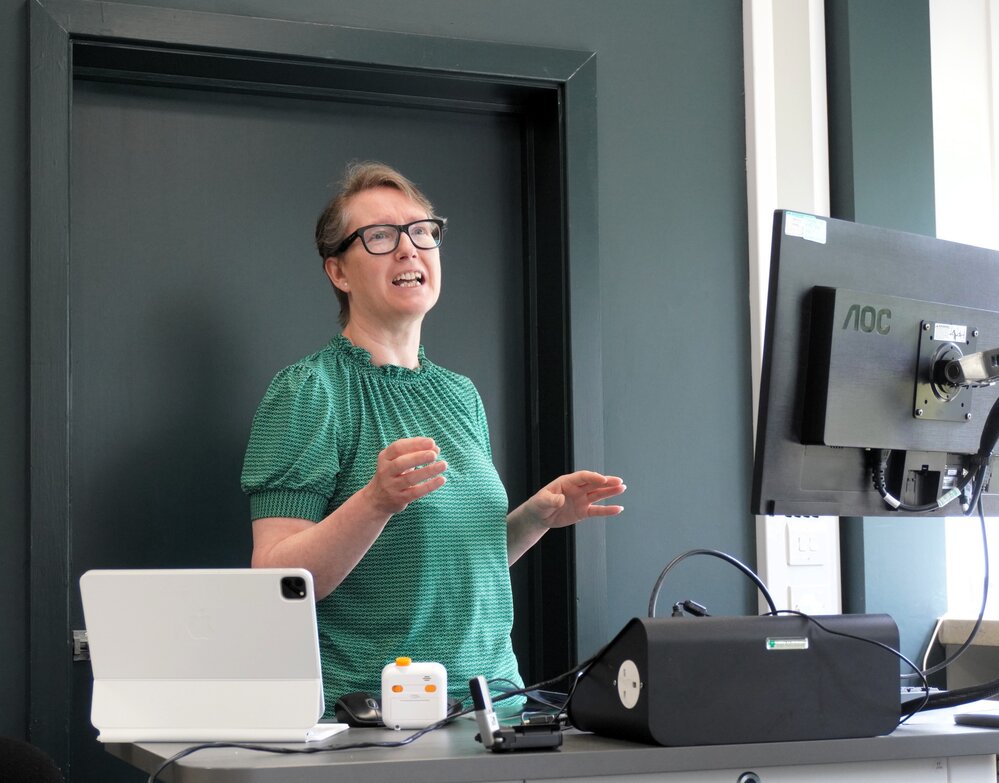
Next, Dr Tracy Simpson introduced the Ecological Citizens Network project, which offered a really interesting lens on sustainability, connection, and place-based thinking.
The project explores what Tracy described as “mycelial ecologies”, a way of thinking about networks of connection that are often hidden, underground, and out of sight, much like fungal mycelium systems in nature. This idea was used to explore how we connect with each other, how communities form, and how sustainable and inclusive digital economies might take shape.
A key focus of the project is asking different kinds of questions about place, identity, and relationship-building: who we are, how we are, and how we connect. The work is deeply rooted in North East Wales and takes an arts-based, participatory approach, including contextual mapping and relationship-building activities.
One of the reflective exercises shared was the “how might we?” approach — prompting participants to consider: if ecological citizenship is the answer, what is the question? This opened conversations around accessibility, sustainability, and community as central concerns.
Tracy also shared the development of EC_Wrex, a new network for Wrexham, which is continuing to grow and bring people together around ecological citizenship and community action. This will culminate in the EC Festival in Wales on 2nd September, which promises to bring together these ideas in a more public-facing and collaborative space.
-
Research Innovation and Collaboration
Collaborate – (Samarbeta! – Cydweithio!) - Sweden and Wales
Opportunities and Challenges for international research – a case study
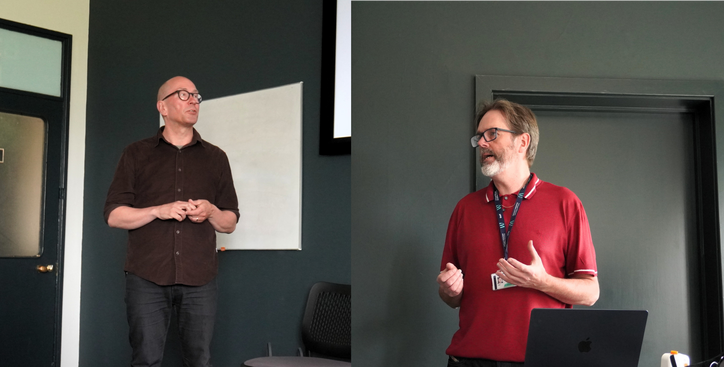
Dr Jason Woolley and Juhani Hemmilä shared insights from their Wales–Sweden collaboration, strengthening cross-European research partnerships.
The discussion explored the similarities and differences between music and sound production industries in both countries, particularly in terms of scale, cultural context, and pedagogical approaches. Both contexts share strong creative sectors and a focus on music production, but there were some interesting structural and educational differences highlighted.
For example, KMH (The Royal College of Music in Stockholm) has a strong fine art focus, whereas Wrexham University has a more applied arts and technology orientation. Funding structures also differ significantly, with higher education in Sweden being free, compared to the UK model.
KMH is also a much smaller institution, with around 1,500 students specialising in music production. These differences shape not only teaching approaches but also research practice and collaboration.
The session also explored some of the practical and ethical challenges of cross-national research, particularly around ethics and data protection. In the UK, these processes are typically centrally managed by institutions, whereas in Sweden, responsibility often sits more directly with individual researchers, supported by guidance from research leads. KMH also maintains its own private server for data management, reflecting a different approach to governance and infrastructure.
A particularly interesting theme was digital workflow and “decent work” in music production, including the concept of overchoice in creative processes. This was explored through methods such as online questionnaires, lab-based testing, and sound balancing activities.
One example discussed involved logic lab testing, where software conditions were adjusted to either limit tools or provide an unlimited set of creative options — highlighting how constraint and abundance can shape creative decision-making in different ways.
The findings suggested a contrast in emphasis: in Sweden, there is more focus on creative process and exploration, while in the UK there is often a stronger emphasis on employability and professional readiness.
Overall, the collaboration hopes to provide tangible impact, including curriculum development, student exchange opportunities, and closer links with industry practice.
Embedding Practitioner Enquiry at Scale: Early Insights from the National Approach to Enquiry in Schools (NAtES)
Colleagues from the education team reflected on a range of long-term projects and programmes developed over the past decade, including NATES, EREIS, and NPEP.
A key theme running through this discussion was the way Wales’ size and context can enable meaningful system-wide connections and change. Rather than working in isolated pockets, there is real potential for joined-up collaboration across schools, universities, and wider education systems.
Much of the work shared focused on supporting teachers to navigate pedagogy, engage in professional learning, and take part in enquiry-based approaches to practice. Partnership working between schools and universities was highlighted as central to this.
The National Professional Enquiry Project (NPEP) was discussed as an attempt to create a more centralised structure for supporting teacher-led enquiry — essentially acting as a “springboard” for educators to engage in research-informed practice. This included supporting individuals and whole schools, and creating permission structures that enable teachers to meaningfully engage in enquiry work.
A key aim has been to strengthen school improvement planning through more systematic engagement with evidence, including the use of logic models and evidence reviews. The Quality Use of Research in Education (QURE) approach was also referenced as part of this broader effort to support more informed decision-making.
One recurring challenge highlighted was the sheer volume of sometimes conflicting research and guidance available to teachers. In response, there has been a clear push for “one stop shop” approaches that help schools identify trusted sources, reduce duplication, and support clearer decision-making.
However, it was also noted that initiatives like NPEP do not always fully permeate through entire school systems, with engagement sometimes remaining at individual or partial-school level rather than becoming embedded whole-school practice. There is a wider Welsh Government ambition to move towards more consistently evidence-informed change across the education system.
A key takeaway from the discussion was that initiatives tend to be more effective when senior leaders, particularly headteachers, are actively involved — helping to embed enquiry and evidence use more deeply across schools.
Blazing a new trail: AI tools to power up your research
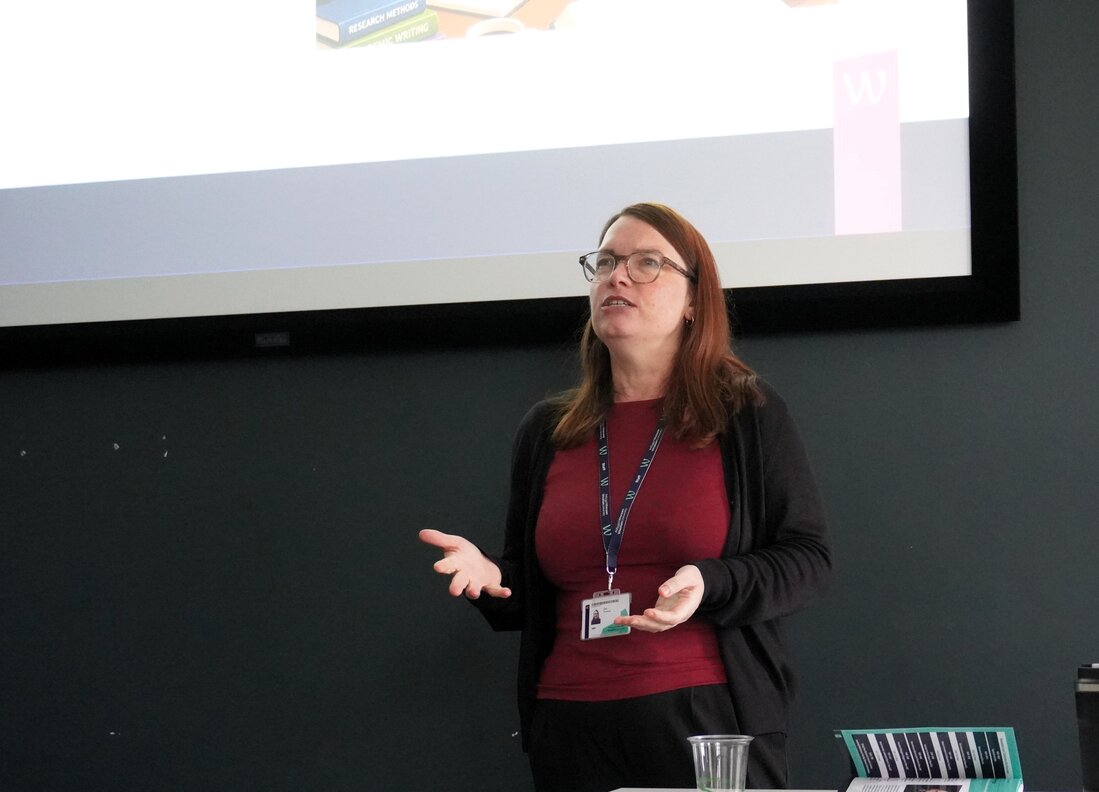
Next up, Sam Thomas from the Library explored the current research landscape and the challenges of navigating “so much choice” when it comes to finding and using quality research.
A key theme was how AI is already changing the research process. Sam highlighted how AI tools can currently help with things like suggesting alternative search terms, summarising articles, and identifying connections between sources. While this can be useful, it also raises important questions around cognitive offloading, transparency in how information is generated, and trust in AI-generated outputs.
The emphasis throughout was on using these tools critically and thoughtfully, rather than relying on them uncritically as shortcuts.
Sam introduced a range of useful tools that can support research discovery when used with a critical mindset:
- JSTOR AI research tools, which operate at article level and allow users to explore sections or whole texts through conversational prompts
- A ChatGPT plug-in for JSTOR conversational discovery, supporting more natural language searching across content
- PsychInfo, where built-in AI tools are visible and integrated into the search process
- A citation mapper, useful for tracking how research connects across publications
- ProQuest Central Research Assistant, which includes topic visualisation features to help map out research areas and relationships between concepts
Overall, the session highlighted the opportunities and the limitations of AI in academic research. While these tools can make discovery faster and more connected, they still require careful, critical engagement - particularly around source reliability, transparency, and academic judgement.
-
Innovation for Social Impact
If Patients Must Ask – Systems Have Failed: Addressing Gaps in Cancer Exercise Rehabilitation
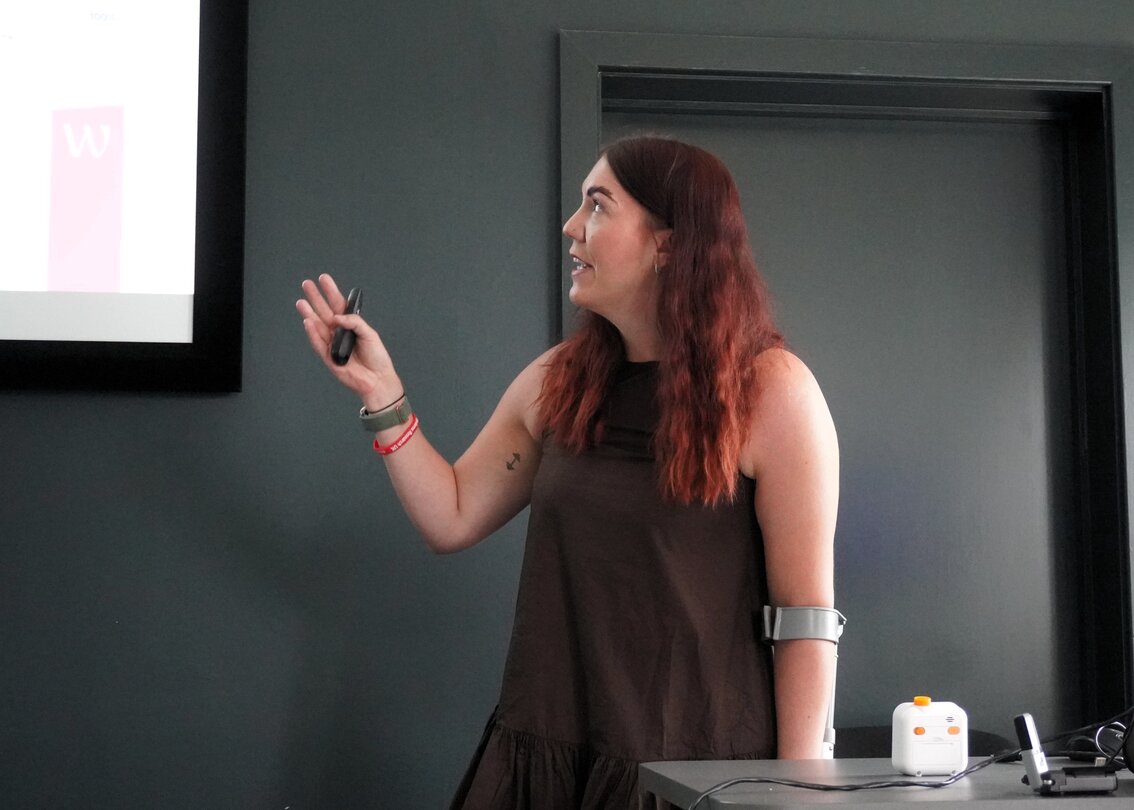
Dr Chelsea Batty spoke about work addressing gaps in cancer exercise rehabilitation.
Chelsea provided useful background on cancer biology and treatment pathways, particularly focusing on plasma cell leukaemia and multiple myeloma. These are rare conditions, affecting around 1 in 1 million people, and often carry a poor prognosis. Treatment typically involves chemotherapy alongside stem cell transplants.
A key issue highlighted was that cancer exercise rehabilitation is not consistently integrated into NHS pathways and is often delivered through local authority provision or private services, creating a postcode lottery in access to support.
The main aim of Chelsea’s research case study was to improve and preserve fitness and muscle mass throughout cancer treatment. Exercise rehabilitation can take place at different stages, including prehabilitation, during treatment, post-treatment recovery, and palliative care.
The case study focused on an 8-week exercise programme with one patient who self-referred. The patient was undergoing chemotherapy and stem cell treatment and took part in three supervised exercise sessions per week over the 8-week period.
Measurements were taken at the start, mid-point, and end of the programme to track progress. The findings showed positive psychological outcomes, reduced fatigue, and an increase in muscle mass. Overall, the work highlighted that exercise rehabilitation has a meaningful role across different cancer types and stages of care.
Talking about Poverty: Exploring how social work practitioners reflect on practice when working with children and young people at risk of neglect and abuse’.
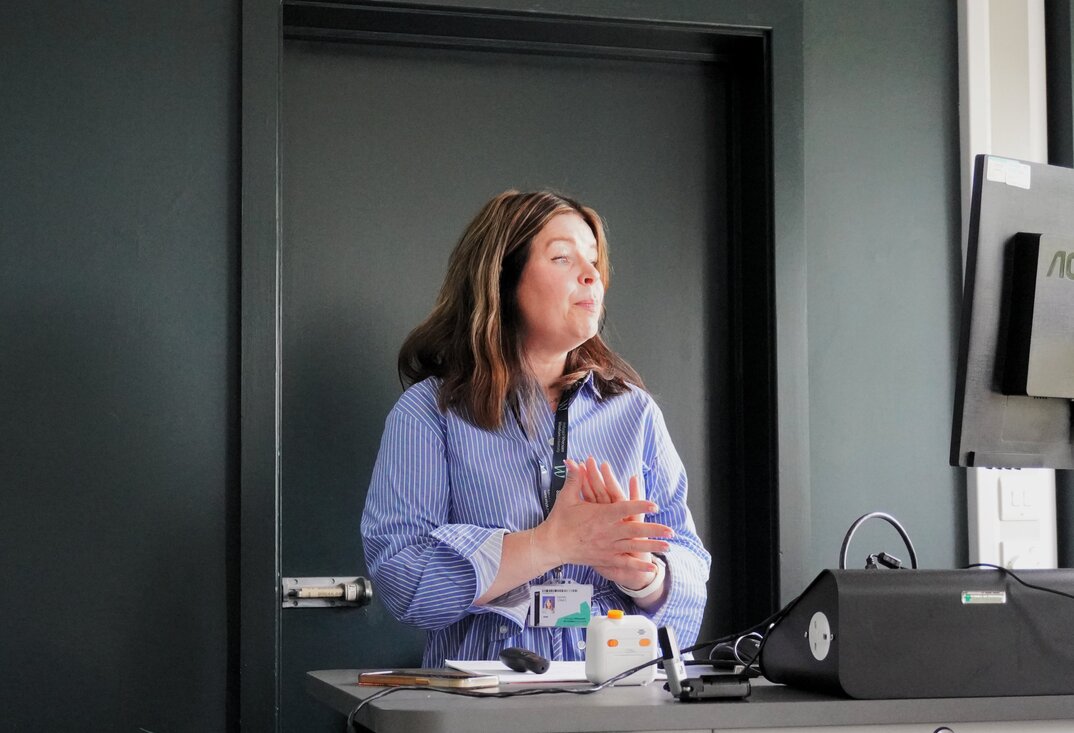
Next, Dr Dawn Jones explored poverty in social work and how social workers reflect on and respond to poverty in practice.
The session began by highlighting that poverty in Wales is increasing, particularly in North Wales. There is growing recognition from Welsh Government of the association between poverty and the number of children entering the care system.
The aim of the research was to explore how social workers apply a poverty-aware approach in practice and to generate new insight for future approaches to social work. This sits alongside wider debates about the need for a clearer anti-poverty strategy, with it noted that Wrexham currently does not have one, and that practice is often shaped by a more general “one size fits all” safeguarding approach.
The study used online interviews with social workers in North Wales and was grounded in a feminist-informed critical realist methodology. The focus was on practice with families living in poverty where child wellbeing is a concern.
The work drew on the Poverty-Aware Social Work approach developed by the British Association of Social Workers, which explicitly recognises the structural causes of poverty rather than locating responsibility solely at the individual level.
Findings suggested that social workers are aware of poverty as an issue, however their core responsibility remains centred on safeguarding and child wellbeing. This can create tension in practice, particularly around the expectation to “manage poverty” within systems that are primarily designed for risk and safeguarding interventions.
The research also highlighted the presence of stereotypes within some social work practice relating to poverty and parenting, raising important questions about how structural inequalities are understood and addressed in frontline decision-making.
Justice as Trauma: Research Reflections on Systems, Histories, and Harm
Dr Tegan Brierley-Sollis ended the morning sessions with a reflective talk drawing on the Justice as Trauma conference she attended with Natalie Saunders in Vancouver, Canada.
The session was centred on racial and cultural trauma within justice systems. Tegan shared insights from the conference, highlighting how justice systems have contributed to intergenerational and collective trauma through sustained mistreatment.
A key theme was the way Indigenous communities continue to experience disadvantage and how this shifts understanding of harm from individual experiences to deeply embedded structural and historical processes.
The discussion also raised important questions about the relationship between justice systems and trauma-informed practice, including whether these approaches can ever fully align within systems that were not designed with trauma or cultural context at their core.
Tegan reflected on how trauma shapes organisational culture, and the importance of moving towards more decolonising approaches in research and teaching. The session closed the morning by challenging us to think more critically about systems, structures, and whose knowledge is centred within them.
Posters
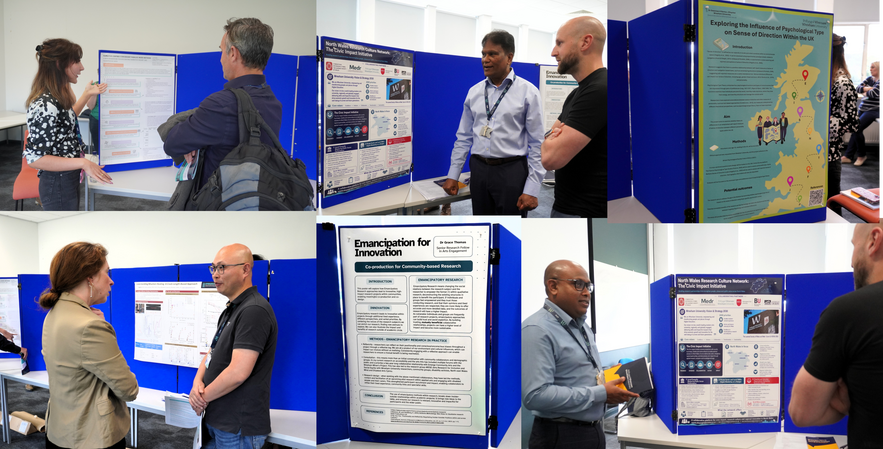
At lunchtime, there was a chance to explore a really nice variety of posters from across the university, showcasing work from areas including business, psychology, art, and the built environment. It was a great opportunity to see the breadth of research activity happening across different disciplines and to have informal conversations around current projects.
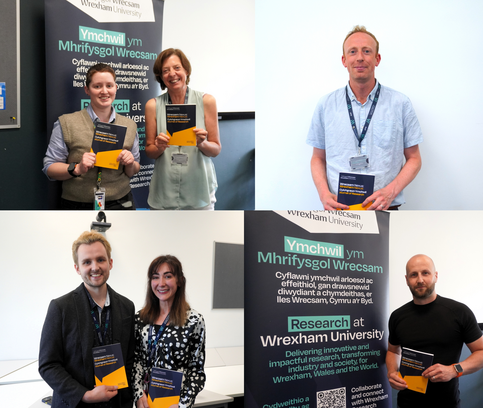
We also saw the launch of Wrexham Nexus: Journal of Research. Prof. Mandy Robbins said a few words to mark the occasion, congratulating all contributors involved in the first issue and thanking the peer reviewers and editors for their work and commitment in bringing the journal together. It was a fitting way to recognise the collaborative effort behind the success of this first publication.
-
Innovative Pedagogies & Engagement
Untangling Grit and Resilience: Co-creating support for Teacher Retention and Wellbeing
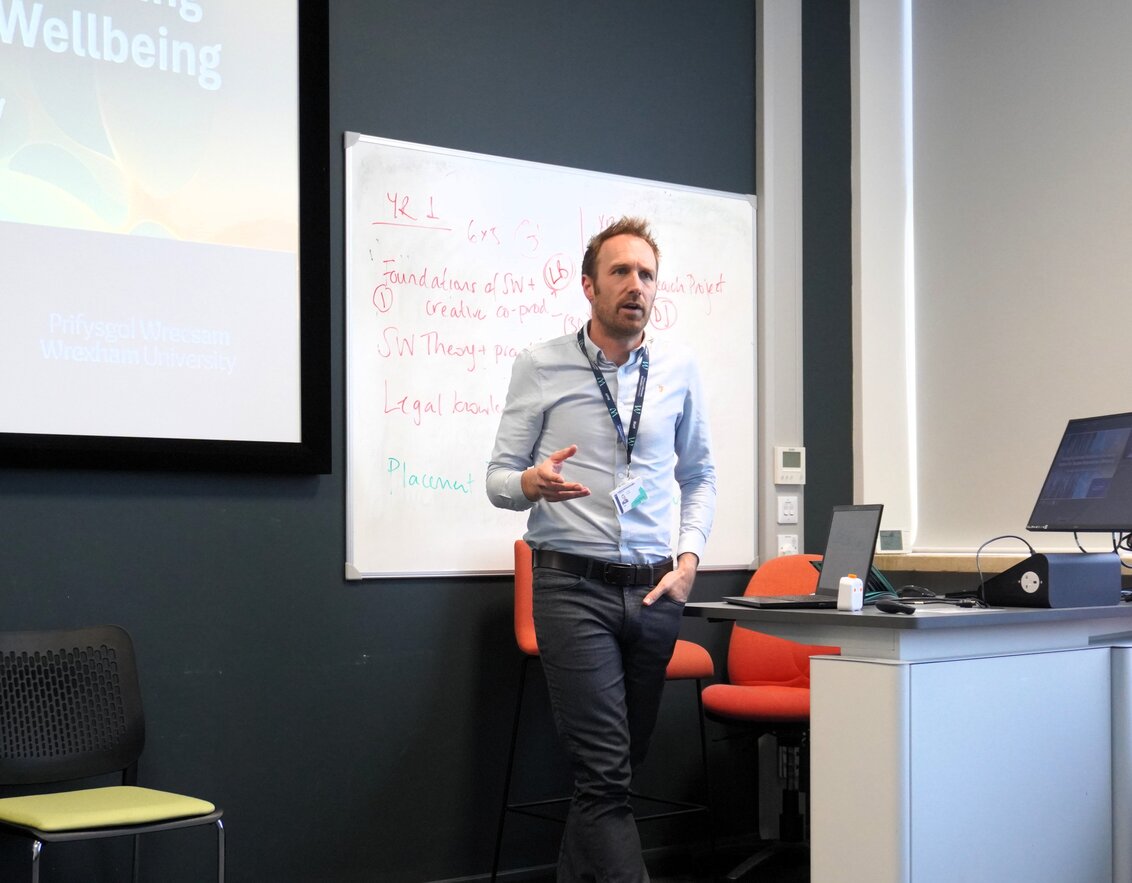
Refreshed and re-energised post-lunch, attendees joined Dr Julian Ayres, who discussed the ‘attrition crisis’ within teaching and how his research has informed a new module in the teacher training programme. The module is designed to help better equip students for the high-pressure environment of teaching, given that 25% of teachers leave the profession within the first year, and 50% leave within three years.
Julian set the scene with the ‘Broken Windows’ theory, that visible signs of neglect signal that disorder is tolerated, which in turn normalises a deep systemic issue. The premise being that teachers displaying strain are ‘remedied’ at an individual level (the window fixed), rather than looking at the structure causing the strain, e.g. the high-pressure environment, mental strain, and lack of support.
The research considered Grit and Resilience and the requirements of these in relation to trainee teachers. Julian talked about the ‘Jangle Fallacy’ where these overlapping constructs are often intertwined with one another, which can place all the burden on the individual rather than the system the individual is operating in. Grit is the reactive ability to respond to adversity, whilst resilience is a proactive approach to a ‘broken structure’, and during the research, these constructs were considered in the context of the armed forces, elite sports, and nursing – the high-stakes professions where varying degrees of grit and resilience are required.
The research informed the introduction of a core 20-credit module on Resilience, Wellbeing, and Reflection for teachers in PCET. The core pedagogy is the Hermeneutic Dialogue Circle, or, as described by Julian, ‘a simple natter’, a peer support approach to processing stress and trauma, as peers are often best placed to understand and offer advice.
Finding Belonging: Untapped Community Resources for Re-engaging Learners
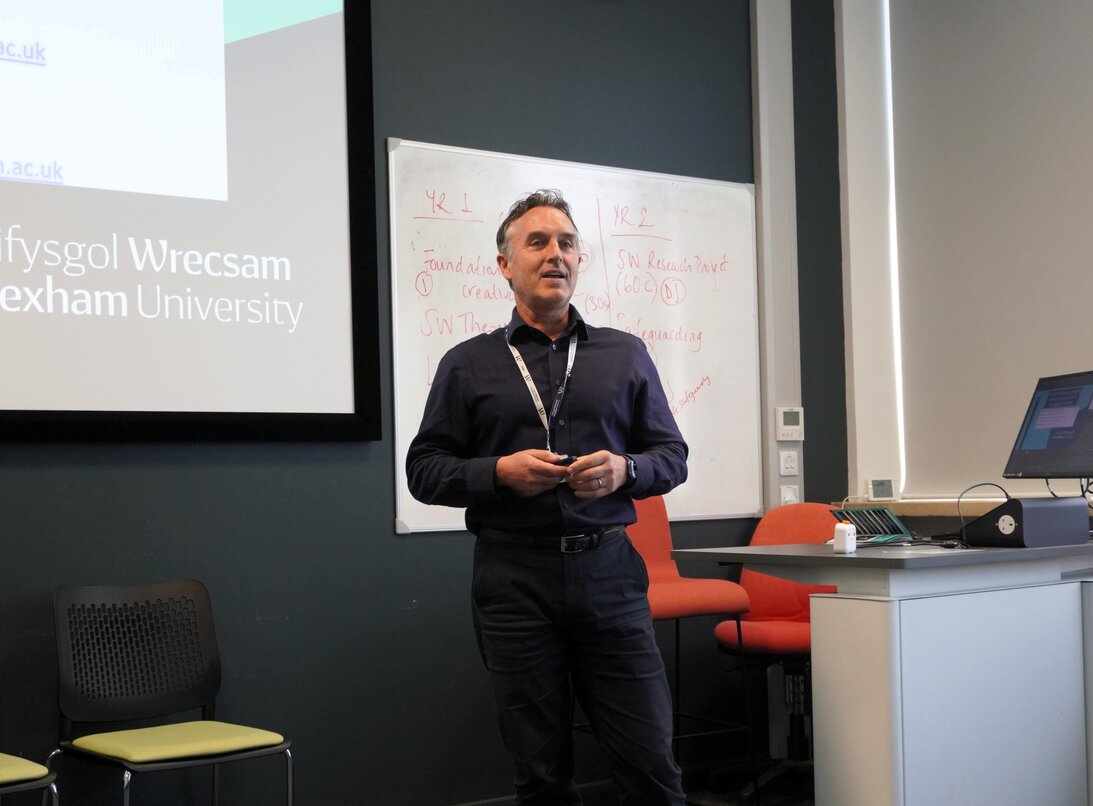
Next up was Prof. Carl Hughes, who provided insight into 2 of 24 projects currently underway, researching behaviour in schools. Behaviour experienced by teachers, including very early years students, is a growing issue, particularly around school attendance. The profession is not only experiencing a shift in how children and young people (C&YP) engage with attendance, but also in how parents engage with attendance, as there is a growing lack of support from parents in ensuring C&YP attend school.
Carl positioned disengagement from the schooling system as:
Poor foundational skills: whilst language can be learnt in the family / social setting, evidence suggests that early technology exposure of C&YP watching screens in social settings is a barrier, as language can’t be learnt from screens and the screen time reduces adult interaction with the adult interaction with the C&YP. Reading is a taught, not learned, skill. Social skills can also be lacking.
Repeated failure in the school setting → Avoidance of the school setting where failure occurs → Alternative sources of belonging sought → Disengagement from the education system
The research is exploring the value of the hidden community anchors as possible alternative sources of belonging for disengaged C&YP. The first case study looks at Theatre Clwyd as a creative route to reengagement via their Summer Hub programme. C&YP are referred to the programme via Social Services for a two-week programme of arts and creative projects that provide opportunities to ‘contribute, succeed and belong’. The research seeks to understand the psychological process that Theatre Clwyd supports with, with interview results showing the C&YP feel heard, feel safe, build confidence from success, build friendships, and find belonging.
The second case study centres on Swansea City AFC Foundation, with football being the route to reengagement. C&YP are again referred to the programme via Social Services and schools, and the programme offers mentoring, participation, and training. Research found that the participants experienced improved confidence, wellbeing, and behaviour.
Whilst the arts and sports offerings are vastly different, parallels may be drawn in terms of engaging C&YP to build connections, participate meaningfully, and succeed, which can serve as a potential learning opportunity for schools:
Fear of Failure → Participation → Success → Engagement → Learning → Belonging
The C.O.R.E. Framework
Closing this session was Monty Kennard introducing a meta-framework for technology-mediated co-creation across primary, secondary, Further Education (FE), Higher Education (HE), and adult education. Monty put forward the idea that it’s not a ‘one size fits all’ when it comes to co-creation frameworks in the education environment, with much of the recent literature on co-creation and partnership having been created through a HE lens. The ‘how’ of applying co-creation frameworks across the educational sectors is lacking, and Monty proposes the use of C.O.R.E (Construct, Orchestrate, Renew, Evaluate) to help bridge this gap.
C.O.R.E is described as a ‘meta-framework, not a prescription’ that retains the framework structure but enables implementation changes according to the sector application. Monty explained that it is a way of using technology to ‘ethically and realistically’ adapt co-creation. The discussion considered the use of AI in such an application and whether AI is then a ‘tool’ or a ‘co-creator ’. Can this be defined in black and white terms, or is it more of a grey area? A key consideration is ‘who performed the learning’ in the adaptation process, as this may be a determining factor in the tool’s or ‘co-creator’ status. The session closed with a reminder that C.O.R.E cannot make co-creation fit all situations; it must be scaled appropriately, and it supports rather than replaces the relational experts.
-
Future Innovation, Leadership & Systems
Machine Learning, Sensitivity Analysis and Open Data in Software-Defined Networking
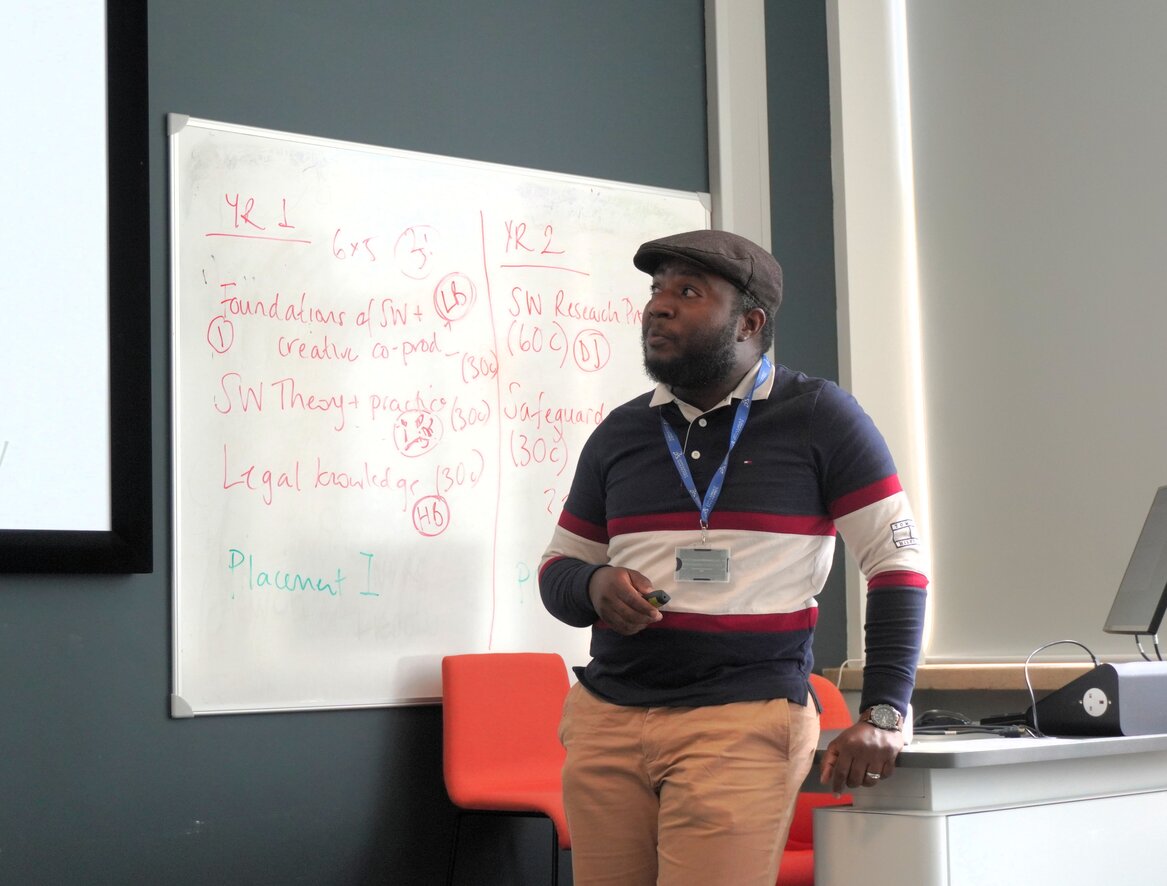
Dr Mobayode Akinsolu, an engineer, promised he would skip the advanced technological and mathematical elements of his research so as not to lose the audience, which was well received.
Mobayode’s research is centred around Software-defined networking (SDN) and learning from network behaviour, identifying key metrics, and sharing data sources to continue advancements. SDN’s are not hard-wired, which enhances flexibility, visibility and programmability; however, it also increases the risk of network disruption from attackers who can add software over the top of an SDN. The research looks at machine learning to detect and categorise various operating states such as ‘normal’ and ‘flooding attacks’; it analyses performance metrics, and this data is then shared so it can be used for future research and teaching.
An overview of the research timeline was shared with attendees, showing the journey from 2020, when a colleague shared an open-source data set with Mobayode, which was the start of the project, through to publications and the introduction of the research findings into a teaching programme.
An SDN-reliant network was used to simulate both ‘normal’ and ‘attack’ scenarios, with 15 minutes per scenario garnering over 900 observations per scenario, which totalled 3600 from the research. The project then progressed to the testing of three main metrics: throughput, jitter, and response time. The metrics were run 50 times as part of the validation, with Jitter being identified as the most sensitive.
2021 saw the project progress to attack detection and classification, and in 2022, exploratory data analysis was undertaken on behaviour prior to modelling. This verified response time as a key metric and identified the flooding types having the greatest impact on performance. Technological advancements enabled further research with the dataset in 2025, including a hybridised design of experiments, synthetic data generation, and Artificial Neural Network (ANN) assisted machine learning. Mobayode shared that the research has contributed to academic, practical and educational advancements.
Innovating Leadership Capacity in the Public Sector through Open Space and Collective Engagement
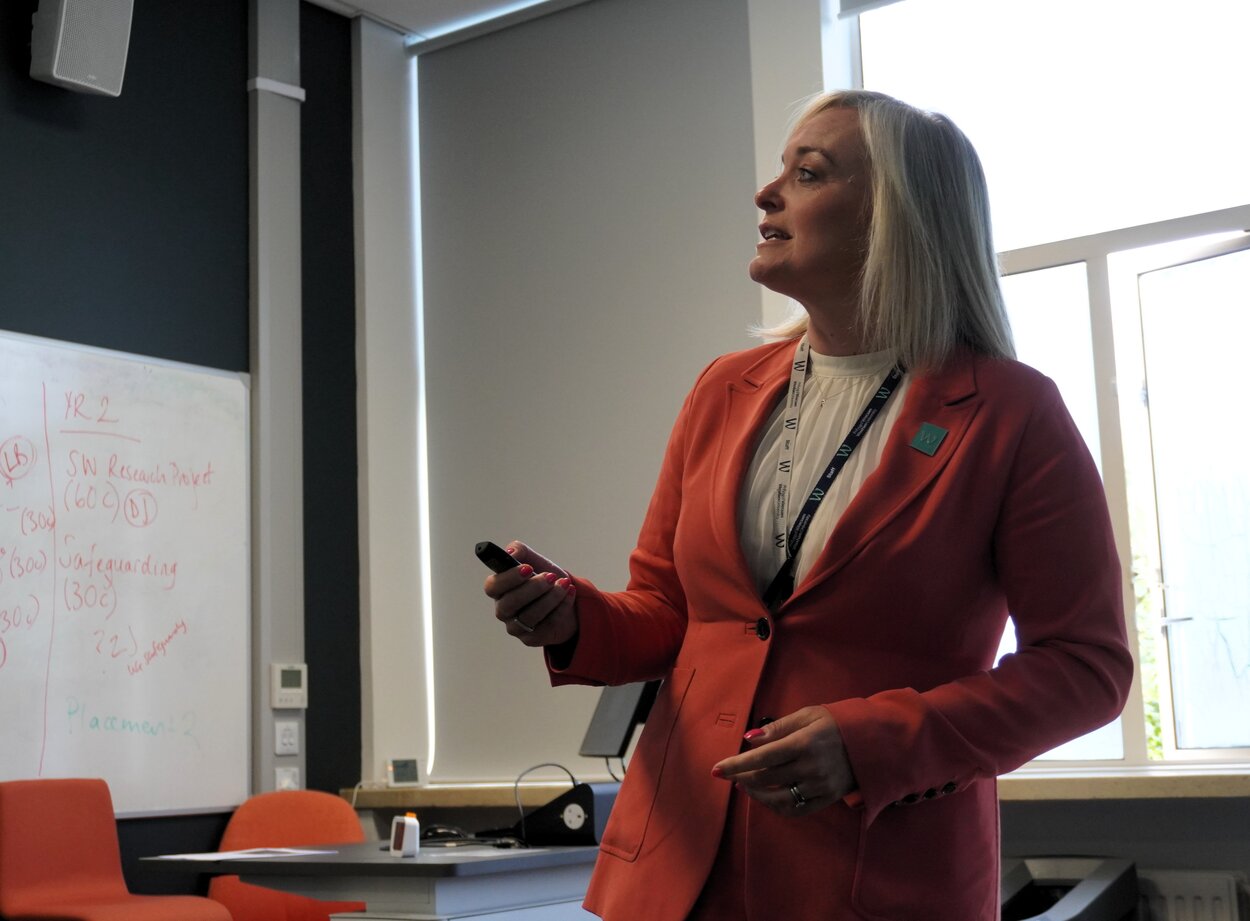
The new Dean of Faculty for Business, Dr Ruth Slater, took us on a journey of breaking the chain, Van Gogh, and modelling clay in the name of diverse pedagogies and building leadership capacity! Ruth asked attendees to consider how return on investment can be assessed when often dealing with feelings, self-awareness, and empowerment in leadership development.
The first case study shared was a large group of Clinical and Professional Service Leaders from a global private healthcare provider where Ruth deployed ‘Open Space tech’ as a means to drive open discussion. Whoever arrives is the right person to be there; whenever it starts is the right time for it to start; whenever it ends is the right time for it to end, and if people are not gaining anything from the session, they have the agency to leave and rejoin at a later point if they want. In a sense, all traditional rules are out the window, which gives people space and freedom to contribute meaningfully. Ruth shared that whilst leaders often felt concerned about the lack of structure, it was engaging to be part of a collective problem-solving approach that empowered people. It is all about doing things differently for a different outcome.
The second case study focused on operational and enabling leaders from a City Region Combined Authority using art-based leadership development with the artist Emma Rogers. Ruth found that the stressed leaders with binary ways of thinking about issues suddenly took on a different persona when given some clay to play with. The art aspect changed the whole vibe, and people relaxed and opened up to new ways of thinking; they connected with other people and moved towards people-centred leadership. They looked beyond the linear approaches and found alternative approaches.
The final case study that Ruth shared was based on a personal and profound moment when she had a Van Gogh immersive art experience, where Ruth was so immersed in the experience that it made her want to help others experience situations with such heartfelt emotion. Ruth, in collaboration with Focal Studios, created an immersive sensory learning experience for strategic leaders from a further education institution, which was very well received. Participants shared that “the experience created emotional insights rather than solely outcomes or logic”. The sensory experience created connection and impactful learning. Nathan Roberts joined Ruth to introduce the new simulation and immersive learning centre (SILC) at Wrexham University, and people were invited to contact Nathan to book a visit to see how the space can be utilised.
Entrepreneurial Mindset
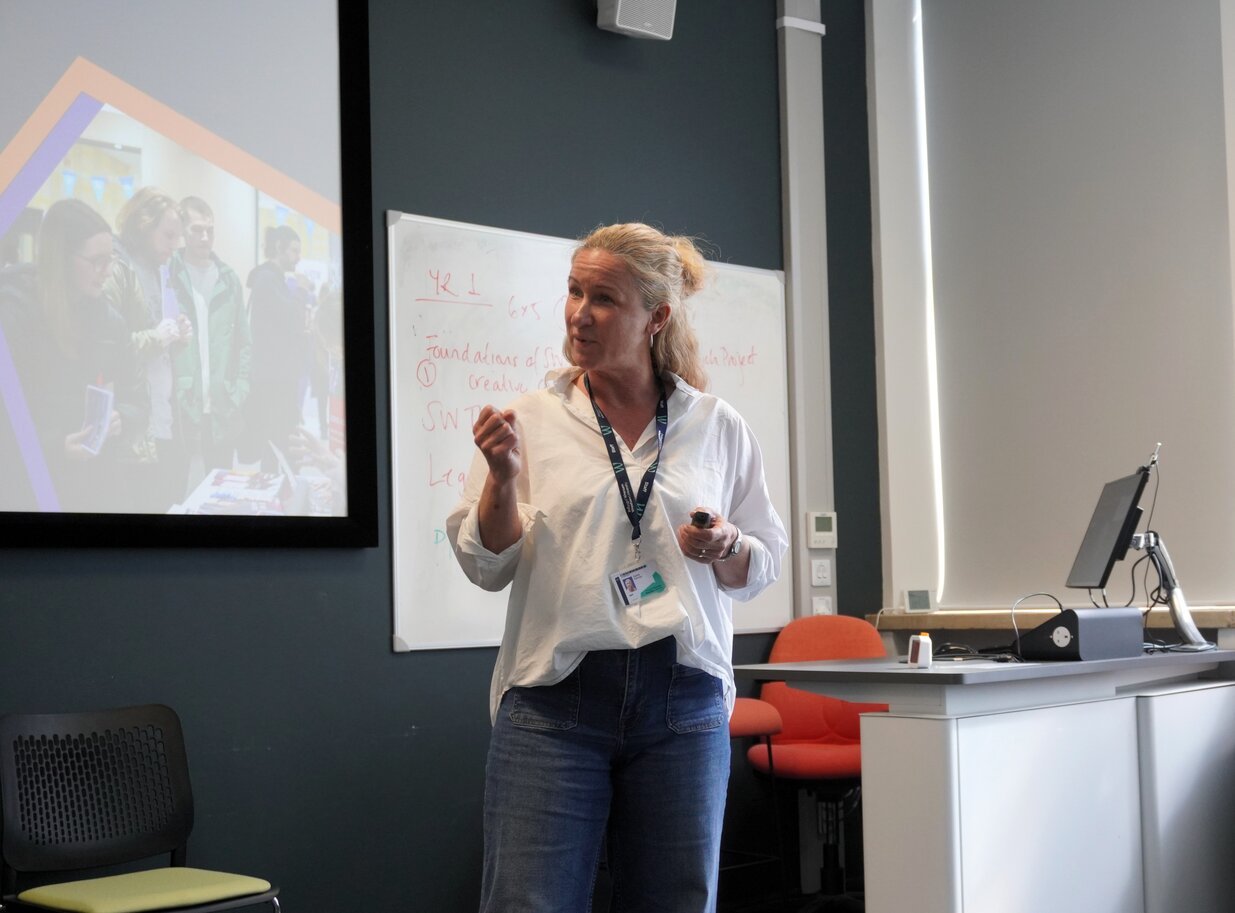
Sasha Kenny from the Enterprise Team rounded off this session with an overview of her PhD research on the entrepreneurial mindset (EM). Sasha framed EM as one of the biggest assets humans need to succeed in business and in life; it is a perspective that enables people to see opportunities, adapt to change, and make key decisions with limited information. Examples shared included Del Boy, Elon Musk, and Gwyneth Paltrow.
Sasha shared a little family history with her connection to EM, and she thought, ‘if you can’t beat them, join them,’ which then led her into her current role and PhD field. Sasha's research is currently focusing on the skills and cognition that result in the EM, which is rooted in personality psychology. Some pertinent personality traits being considered include self-efficacy, self-confidence, motivation, risk-taking, and grit and resilience. Shasha considered some of these in turn and linked this into the Wrexham University Ecosystem in terms of curricular and extra-curricular activities and experiences on offer to our students and graduates, and how this can help shape the EM.
Senior Leadership Panel Reflections
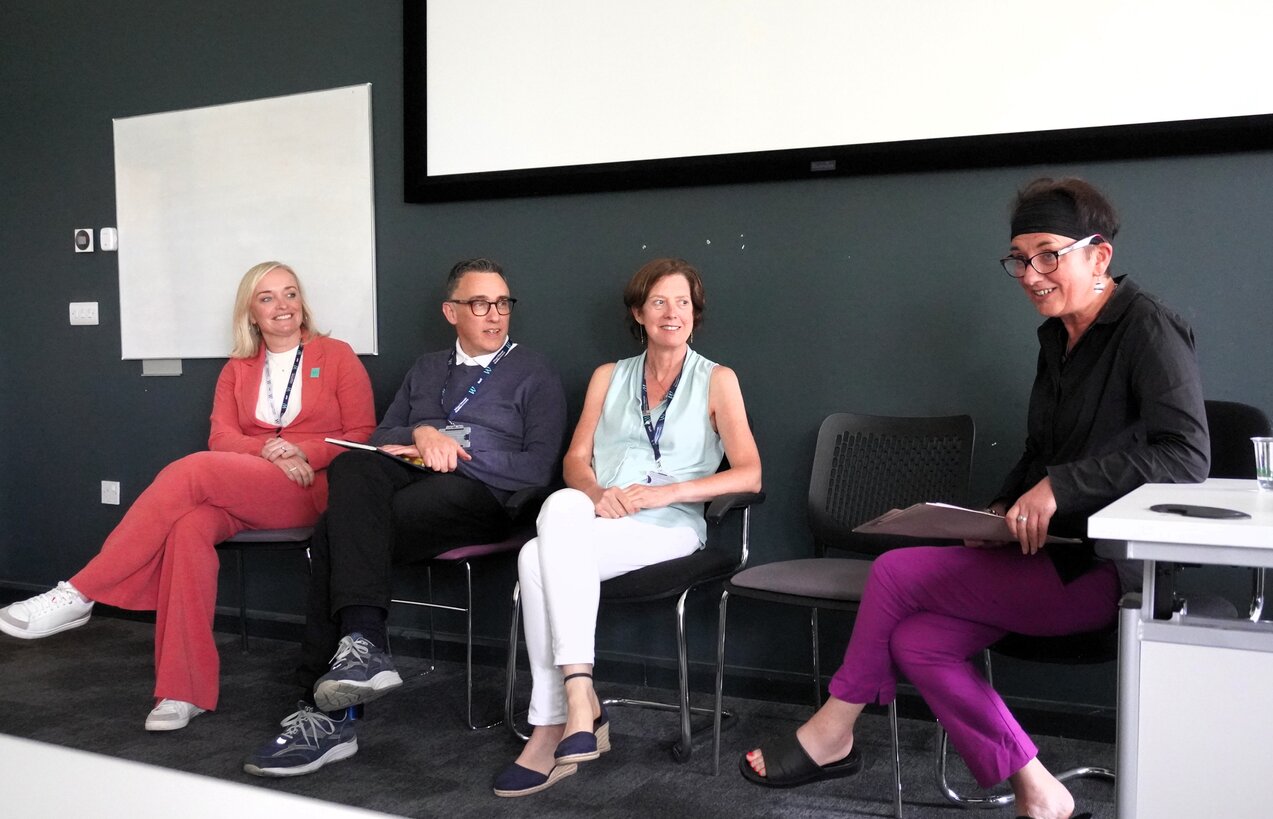
The action-packed and insightful Springboard conference was closed out with a senior leadership panel sharing their reflections on the day’s activities and contributions. Dr Ruth Slater, Prof. Damian Sutton, Prof. Anne Nortcliffe, and Prof. Mandy Robbins joined Dr Caroline Hughes to answer a number of questions regarding Springboard. The panel shared key highlights of the day, takeaways for future implementation and their hopes and desires for the future of research at Wrexham University. Connection, collaboration, impact, and time were key themes throughout the discussion, with everyone feeling revitalised from the sessions, keen to continue the drive and momentum behind research and innovation across Faculties. Caroline rightly stated that we are a small but mighty university with wide-reaching ambition, and we need to continue the incredible work for which we have already laid the foundations.
We are already planning and looking forward to next year.